 Abdul Basit
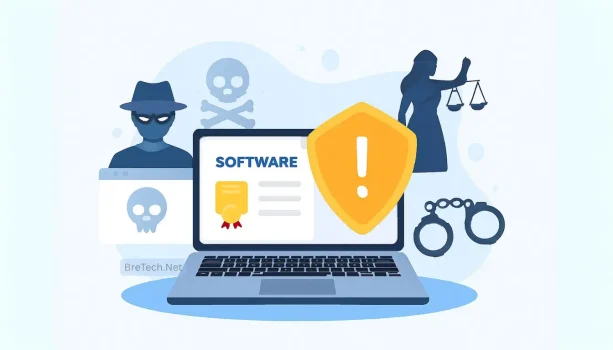
Using unlicensed software in Pakistan can create legal, security, and business compliance problems. A program may appear to work normally, but an unauthorized copy, cracked installer, or invalid key can expose business data, stop receiving updates, or fail when proof of licensing is required.
For businesses, freelancers, agencies, and professionals, software compliance means more than successful activation. The software must be obtained from a reliable source, used under the correct license terms, and installed only for the permitted users or devices.
This guide explains the main risks of unlicensed software and shows how Pakistani businesses can review their systems, replace unauthorized copies, and maintain useful licensing records.
Legal note: This guide provides general information and is not legal advice. Consult a qualified legal professional if you receive a copyright complaint, software audit request, or legal notice.
What Does Software License Compliance Mean?
Software license compliance means using a program according to the terms set by its publisher. A compliant business should know where each product was purchased, which edition is installed, how many users or devices are covered, and whether the license permits commercial use.
Successful activation alone does not confirm compliance. A key may activate correctly but still be unsuitable for the way the software is being used. For example, an individual license may not cover several employees, while a standard data recovery license may not permit paid technician services.
Is Unlicensed Software a Legal Risk in Pakistan?
Pakistan’s Copyright Ordinance, 1962 includes computer programs within the definition of literary work, which is protected by copyright. Whether a specific use creates copyright infringement depends on how the software was copied, installed, distributed, or used, and whether those actions were permitted by the copyright owner or license terms.
Legal action is not the only possible problem. A business may also face issues during client checks, contract renewals, tenders, internal IT reviews, or vendor audits. Because every case is different, businesses should avoid relying on unsupported online claims about exact fines or penalties.
Main Risks of Using Unlicensed Software
Malware Hidden in Cracked Installers
Cracked software normally depends on modified program files, activation scripts, patches, or key generators. These files do not come directly from the original publisher and may contain harmful code that runs without the user noticing.
Microsoft warns that counterfeit software downloads may include malware such as viruses, spyware, or Trojan horses. Microsoft also states that counterfeit Office software can expose users to malware, corrupted files, data loss, and missing security updates.
A security scan can reduce risk, but it cannot prove that a modified installer is safe or properly licensed.
Missing or Broken Updates
Unauthorized software may change files responsible for activation and communication with the publisher. These changes can block normal updates or cause the program to stop working after an operating system or product update.
For a business, failed updates may lead to security weaknesses, compatibility problems, activation warnings, damaged files, or unexpected crashes. The cost of interrupted work can be much higher than the cost of purchasing the correct license.
No Official Vendor Support
Many software publishers limit official technical support to products covered by valid licenses or active subscriptions. Users of unauthorized copies may not receive help with activation, installation, account access, device transfers, or compatibility problems.
The user may then depend on an unknown seller, unofficial forum, or another modified installer. This can increase both security risk and downtime when the software is needed for important business work.
Audit and Client Compliance Problems
Some organizations must show that software used for business work is properly licensed. This may happen during internal IT reviews, client security checks, tender preparation, contract renewals, vendor audits, or due diligence.
A reviewer may request invoices, order confirmations, subscription details, license emails, user assignments, or vendor account information. An invoice alone may not be enough if the installed edition, user count, device count, or type of use does not match the license.
Data and Reputation Risks
An infected or unstable program may expose customer documents, saved passwords, financial records, business emails, design files, or shared network data. Problems on one computer may also affect other devices connected to the same business network.
A security incident can damage client trust, especially when the company handles confidential information. This risk is important for agencies, accountants, consultants, healthcare offices, freelancers, and technical service providers.
Personal Licenses Used for Business Work
A software key can be genuine but still be the wrong license for business use. Publishers may offer separate licenses for individuals, home users, businesses, teams, students, nonprofit organizations, government departments, and technicians.
Before ordering software, check the exact edition, license term, user count, device count, and commercial-use rights. This is particularly important when several employees use the product or when the software is used to provide paid services to customers.
Software License Compliance Checklist for Businesses
Use this checklist to review software installed in your company, office, agency, or professional practice.
- Create a software inventory. Record each product name, edition, version, assigned user, installed device, purchase date, renewal date, seller, and license status.
- Match every installation with a license. Confirm that every installed copy is covered by a valid purchase, subscription, or organization agreement.
- Check the permitted type of use. Make sure personal, educational, home, or nonprofit licenses are not being used outside their permitted terms.
- Review user and device limits. Confirm that the number of employees and computers does not exceed the purchased license.
- Remove unauthorized activation files. Delete key generators, cracks, modified installers, activation scripts, and patch tools.
- Check renewals and expiry dates. Create reminders before subscriptions, maintenance plans, or support periods expire.
- Store records in one controlled place. Keep invoices, license emails, renewal confirmations, vendor account details, and device assignments together.
- Assign responsibility. One person or department should approve software purchases and maintain licensing records.
- Repeat the review regularly. Check licenses when employees join or leave, computers are replaced, subscriptions renew, or new software is installed.
Need help choosing the correct edition? BreTech can help Pakistani businesses check user limits, device limits, commercial-use requirements, and invoice availability. Contact BreTech for software purchase guidance.
Warning Signs of Counterfeit or Unauthorized Licenses
A very low price does not automatically prove that a license is fake. However, certain warning signs should make a buyer more careful:
- A lifetime key for a product normally sold through subscriptions
- No clear edition, license term, user limit, or device limit
- Delivery only through a screenshot or short message
- No proper invoice or order confirmation
- Instructions to disable antivirus protection
- Instructions to block updates or vendor websites
- A modified installer hosted on an unknown file-sharing website
- One key offered for many unrelated computers
- A seller who cannot explain renewal or transfer rights
Before using a key, confirm the product name, edition, license term, permitted usage, and seller documentation.
Our guide on how to verify a software license is genuine in Pakistan explains the main checks in more detail.
What to Do If Your Business Already Uses Cracked Software
Do not ignore unauthorized software or continue using it until it fails. Replace it through a controlled process.
- Identify the affected devices. Record every computer containing the cracked program, modified installer, activation tool, or shared key.
- Back up important files. Protect essential documents and project files, but do not copy cracks, scripts, key generators, or unknown executable files.
- Remove the unauthorized version. Uninstall the program and delete its activation tools. If the computer behaves unusually, disconnect it from shared networks.
- Run a complete security scan. Use an updated security product to check for malware and potentially unwanted programs. You can explore suitable options in the Security Software category.
- Download a clean installer. Obtain the installation file from the software publisher or another source approved by the publisher.
- Purchase the correct license. Choose an edition that matches the number of users, devices, and type of work performed by the business.
- Save the new records. Store the invoice, order confirmation, license email, activation details, and user or device assignments.
Our guide on where to buy genuine software in Pakistan explains what to check before ordering.
What Licensing Records Should a Business Keep?
The exact records depend on the publisher and its licensing system. However, most businesses should maintain a basic record for every paid product.
| Record | Why It Is Useful |
|---|---|
| Purchase invoice | Shows the seller, product, and transaction |
| Order confirmation | Confirms what was ordered |
| License email | Records the key, subscription, or entitlement |
| Vendor account details | May show active products and renewals |
| User assignment | Shows who is using the license |
| Device assignment | Helps check device limits |
| Renewal confirmation | Confirms continued subscription coverage |
| Support messages | Helps resolve activation or ownership questions |
These records should remain available after activation. They may be needed when a device is replaced, an employee leaves, a subscription renews, or an account must be recovered.
Keep licensing records in a secure company folder or approved management system. Access should normally be limited to the staff responsible for purchasing, finance, administration, or IT.
When Should a Business Seek Legal Advice?
Seek advice from a qualified legal professional if your company receives a copyright complaint, audit request, demand for payment, or legal notice. Legal help may also be necessary when software has been copied across many devices or distributed to other users.
Professional advice is also useful when licenses were bought from an unreliable seller, records are missing, or a former employee controlled the vendor accounts. Do not depend only on online articles when a specific legal dispute has started.
Why Genuine Software Matters for Pakistani Businesses
Genuine software helps businesses receive available updates, security fixes, and vendor support. It also gives the organization a clearer record of what was purchased, which edition is being used, and how many users or devices are covered.
Proper licensing reduces confusion about editions, commercial-use rights, renewals, transfers, and device limits. For small companies and growing offices, our guide to genuine software for SMEs in Pakistan explains how to plan software purchases around real business needs.
BreTech provides genuine software licenses with PKR pricing, local payment options, digital delivery, activation guidance, and invoice support. Product availability, delivery time, and license terms can vary by publisher.
FAQs
Q: Is using unlicensed software illegal in Pakistan?
A: Unauthorized software use may create copyright concerns. The exact legal position depends on how the software was copied, installed, distributed, or used, and whether those actions were permitted. Seek professional legal advice for a specific case.
Q: Does successful activation prove that a license is genuine?
A: No. Activation alone does not prove that a license is genuine. You should also verify the seller, edition, license term, user count, device count, and permitted usage rights.
Q: Can a personal software license be used by a business?
A: It depends on the publisher’s license terms. Some personal or home licenses do not permit business, team, technician, or other commercial use.
Q: What documents help confirm a software purchase?
A: Useful records include the purchase invoice, order confirmation, license email, subscription details, vendor account information, and user or device assignments.
Q: What should I do if an employee installs cracked software?
A: Identify the affected computer, remove the unauthorized software and activation files, run a complete security scan, install a clean official copy, and purchase the correct license.
Q: Will uninstalling cracked software delete my documents?
A: Uninstalling a program does not normally delete personal documents. However, settings or project connections may be affected, so back up important files first.
Q: How often should a business review its software licenses?
A: Review licenses whenever staff, devices, subscriptions, or installed products change. A planned review every six or twelve months can also help keep records organized.
Conclusion
Unlicensed software can create more than an activation problem. It may expose business systems to malware, interrupted updates, loss of official support, and compliance difficulties.
Pakistani businesses should maintain a clear software inventory, choose the correct commercial edition, remove cracked installers, and keep licensing records in one controlled place.
The safest approach is to treat software licensing as part of normal business management instead of waiting for an audit, failed update, or security incident.